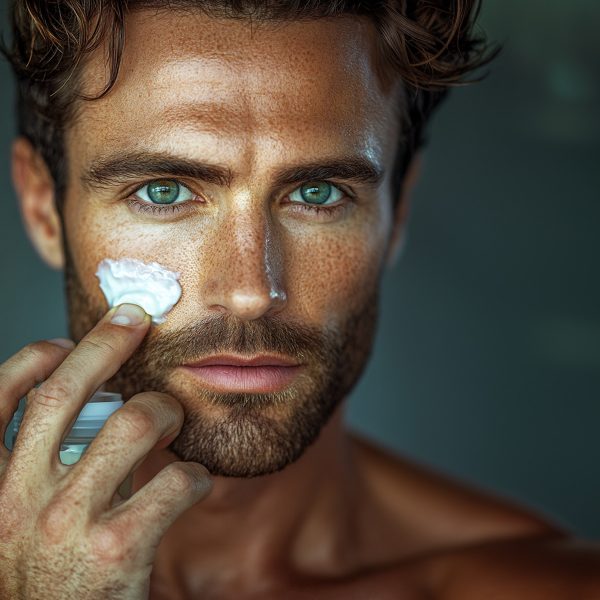
Sunscreen is the one step in skincare that actually matters most, and it’s why I’m constantly testing new formulas to see what’s worth recommending. Caldera Lab’s The Face SPF was the latest to land on my radar.
Is it worth the money?
Does it leave a white cast?
Is SPF 30 actually enough for daily use?
And if you’ve got sensitive skin, is this one of the better mineral sunscreens currently available?
The formula is built around 18.23% zinc oxide, supported by bakuchiol, antioxidants, and a handful of botanical extracts.
The texture is noticeably better than what you typically get from a zinc oxide sunscreen, and for people with sensitive or reactive skin, this is one of the more wearable mineral options I’ve come across.
There are still a few things worth knowing before spending premium money on it, though. SPF 30 feels a little underwhelming given the price.
The white cast hasn’t disappeared. And bakuchiol, despite getting top billing in the marketing, doesn’t appear high enough on the ingredient list to suggest it’s doing much heavy lifting.
One thing worth clarifying up front: mineral sunscreen isn’t automatically better than chemical sunscreen, even though that’s a common assumption. Chemical UV filters have decades of safety data behind them and are used widely.
The real case for mineral sunscreen is that many people find it gentler and less irritating — and that’s where products like The Face SPF make their strongest argument.
Key Takeaways
• Broad-spectrum SPF 30 protection from 18.23% zinc oxide.
• Better texture than most mineral sunscreens.
• White cast is still present, especially on deeper skin tones.
• Fragrance-free and generally well suited to sensitive skin.
• Bakuchiol and other highlighted skincare ingredients may not be present in especially meaningful
concentrations.
• Expensive for an SPF 30 sunscreen.
• Best suited to people who specifically want a mineral formula.
1. What Is Caldera Lab The Face SPF?
The Face SPF is Caldera Lab’s broad-spectrum mineral sunscreen.
Zinc oxide is the sole active UV filter, and the rest of the formula is built around ingredients that are meant to make the product feel more like skincare than a traditional sunscreen.
The formula protects against both UVA and UVB radiation. UVA rays are associated with things like pigmentation, collagen breakdown, and premature aging, while UVB rays are primarily responsible for sunburn.
Any daily sunscreen should protect against both, and The Face SPF does. One thing that stands out immediately is that Caldera Lab clearly spent time thinking about the formula.
Caldera Lab clearly spent time thinking about the formula. This doesn’t feel like a basic sunscreen with a luxury price tag attached to it.
The ingredient list looks intentional, the texture has been worked on, and the fragrance-free approach makes sense for a product that’s supposed to be worn every day.
2. What Are The Key Features?
SPF 30 broad-spectrum protection is the headline feature. For normal daily life—commuting, office work, grabbing coffee, running errands—SPF 30 can absolutely be enough when applied correctly.
The formula relies entirely on 18.23% zinc oxide.
That’s important because zinc oxide remains one of the most reliable mineral UV filters available.
It provides broad-spectrum protection and tends to be very well tolerated by sensitive skin. The fragrance-free formula is another strong point.
Fragrance isn’t necessarily bad, but it can be irritating for some people, especially in a product you’re using every single day.
Caldera Lab also includes bakuchiol, antioxidants, and botanical extracts.
On paper, those additions sound great. Whether they’re present at levels that significantly change skin quality over time is a separate question.
3. Full Ingredient Breakdown
Zinc oxide is the star of the show. Everything else is secondary because zinc oxide is what provides the actual UV protection.
At 18.23%, there’s enough here to provide dependable coverage while still keeping the formula reasonably wearable.
Bakuchiol is probably the ingredient most people will be curious about. It’s often marketed as a gentler alternative to retinol, and some research suggests it can help improve skin texture and the appearance of fine lines over time.
My hesitation isn’t with bakuchiol itself. It’s with where it appears in the ingredient list. Looking at its placement, I’m not convinced you’re getting enough of it to expect dramatic anti-aging results. The antioxidants make more sense.
UV exposure creates oxidative stress, so including antioxidant support alongside sunscreen is logical. They’re not a replacement for SPF, but they fit naturally into the formula. The botanical extracts seem reasonably well chosen rather than randomly added for marketing.
Some provide soothing benefits, others contribute hydration, and a few offer additional antioxidant support. One thing worth mentioning is what’s missing. You won’t find ingredients like niacinamide, ceramides, or peptides.
Those are some of the ingredients with the strongest evidence behind them when it comes to barrier support and long-term skin health. That’s not a dealbreaker, but it’s worth knowing.
4. Texture And Application
How does it actually wear? This is probably where The Face SPF earns its premium positioning. Let’s be honest.
Most mineral sunscreens aren’t particularly enjoyable to use. They’re often thick, chalky, difficult to spread, and generally leave you feeling like you’ve put a layer of paint on your face.
Caldera Lab has clearly spent time trying to improve that experience. The formula spreads more easily than most zinc oxide sunscreens. It doesn’t drag across the skin the way a lot of mineral formulas do, and it settles down into a finish that looks reasonably natural.
It’s not aggressively matte.
It isn’t especially greasy either. It lands somewhere in the middle, which will probably work for most skin types. It also layers pretty well with moisturizers and serums underneath.
That’s important because a sunscreen can have great protection on paper, but if it ruins the rest of your routine, people stop using it.
That said, there’s still a difference between being good for a mineral sunscreen and being as good as a top-tier chemical sunscreen.
The Face SPF gets close to the ceiling of what mineral formulas can achieve, but the gap hasn’t completely disappeared.
5. Does It Leave A White Cast?
Unfortunately, yes. The good news is that it’s less noticeable than what you’ll get from a lot of traditional zinc oxide sunscreens.
The bad news is that it still exists.
On lighter skin tones, most people will probably find it manageable once the sunscreen has been blended properly and given a few minutes to settle. On medium and deeper skin tones, it’s harder to ignore.
That’s not necessarily a flaw unique to Caldera Lab. White cast is one of the biggest challenges associated with mineral sunscreen in general.
Still, it’s something worth being aware of before spending this much money.
6. Mineral Vs Chemical SPF
Which should you actually be using?
This is where sunscreen discussions often become more confusing than they need to be. A lot of marketing has convinced people that mineral sunscreen is automatically safer than chemical sunscreen.
The reality is more nuanced.
Modern chemical UV filters have extensive safety data behind them. They’re approved by major regulatory agencies and used by millions of people every day.
The real advantage of mineral sunscreen isn’t that it’s universally safer. It’s that some people tolerate it better. If your skin is reactive, sensitive, or prone to irritation from chemical filters, mineral sunscreen can make a lot of sense.
If your skin handles chemical sunscreen perfectly well, you’ll probably find chemical or hybrid formulas easier to wear. They tend to feel lighter, disappear more completely into the skin, and avoid the white cast issue entirely.
The Face SPF is one of the better mineral sunscreens I’ve tried. But it’s still operating within the limitations of mineral sunscreen as a category.
7. Is SPF 30 Enough?
For many people, yes.
If your daily routine involves mostly indoor work, commuting, and brief periods outside, SPF 30 is generally capable of providing adequate protection when applied properly.
The problem is that most people don’t apply enough sunscreen. That means the real-world protection they receive is often lower than the number printed on the bottle.
The other issue is value. At this price point, a lot of consumers reasonably expect SPF 50.
For people spending meaningful time outdoors, exercising outside regularly, or dealing with intense sun exposure, SPF 30 starts feeling a little limiting.
That’s probably one of my biggest criticisms of the product.
8. Is It Worth The Price?
This is where the answer becomes very dependent on the person buying it. What you’re paying for is a more refined mineral sunscreen experience.
The texture is better than average.
The fragrance-free approach makes sense. The ingredient list feels thoughtfully assembled. What you’re not getting is SPF 50 or a formula that completely eliminates the usual compromises associated with mineral sunscreen.
There are cheaper mineral sunscreens that provide comparable protection. There are chemical and hybrid formulas at similar prices that offer higher SPF ratings and a more elegant finish.
The value proposition really comes down to whether you’ve already decided that mineral sunscreen is the category you want.
9. Who Is It For — And Who Should Skip It?
This product makes sense for people with sensitive skin, users who specifically prefer mineral sunscreen, men already investing in premium skincare, and anyone looking for a zinc oxide sunscreen that feels more wearable than average.
You may want to skip it if white cast is a major concern, if you spend long periods outdoors, if SPF 50 is important to you, or if budget is one of your main priorities.
10. Pros & Cons
What works: better texture than most mineral SPFs, fragrance-free formula, dependable broad-spectrum protection, comfortable finish, and good compatibility with sensitive skin.
What doesn’t: visible white cast, SPF 30 feels low for the price, the bakuchiol story is probably stronger in the marketing than in the formula, and it still can’t quite match the feel of a great chemical sunscreen.
SHOP: Caldera + Lab The Face SPF
The Bottom Line
Caldera Lab The Face SPF is a genuinely good mineral sunscreen. The texture is better than expected, the fragrance-free formula is a smart move, and people with sensitive skin have plenty of reasons to like it.
At the same time, it’s important to go in with realistic expectations. The white cast is still there. SPF 30 feels a little disappointing given the premium pricing.
And some of the skincare ingredients being highlighted in the marketing don’t appear to be present at concentrations that would make them major selling points.
If you’ve already decided that mineral sunscreen is the category you want, The Face SPF is one of the better options available right now. If you’re completely open to chemical or hybrid formulas, some alternatives provide a smoother overall experience.
Overall Rating: 7.6/10